
A few years ago, we hosted a retreat in Vermont. Eight wonderful people showed up. Several were therapists, some very well-known and successful in their fields. People introduced themselves, sharing stories about who they were, their intentions and what they wanted to work on in this retreat. They also responded to each other with mirroring, feedback, and support. I noticed that the evening included a lot of talk on trauma — childhood trauma, birth trauma, collective trauma… ancestral or intergenerational trauma, etc… This got me thinking about something Joseph Cambell said about the ancient world.
He noted, “The ancient world saw comedies as of a higher rank than tragedy, containing a deeper truth, a more difficult realization, a sounder structure, and a revelation more complete. The happy ending of the fairy tale… the myth and the divine comedy of the soul, is to be read as a transcendence of the universal tragedy of man. Tragedy is the shattering of the forms and of our attachments to the forms; comedy, the wild and careless, inexhaustible joy of life invincible.” (1)
Tragedy expresses the truth that – as Buddha said – life is suffering. This insight cannot be denied or avoided. We won’t escape this drama without enduring pain. Everything we love will one day be taken away from us. Grief and loss are included in the price of admission, part of what we must accept in being here. Everyone and everything dies, and we must eventually say goodbye to all we care about. Fame, wealth, status, comfort, and health are all fleeting and impermanent. The more we cling to anyone, anything, or any way of being, the more we will ache when it is gone. Suffering is unavoidable. The effort to hold onto what we love or fiercely defend some value we hold dear will often increase our own pain or inflict pain on others. Tragedy mourns the human tendency to identify with and become attached to life’s impermanent roles, relationships, and modes of expression, and the unavoidable suffering as they change, fade away, or die.
Comedy takes a different point of view. It recognizes an essence beneath or behind the roles we play, and though we must experience life through its many forms, it celebrates the ever-present potential of connection with something larger beyond them.
A light bulb (the form) burns out, but light – as energy – lasts forever. Identifying with something greater than our bodies and our attachments to the conditions of the moment allows us to lighten. We begin to see the play of other forces in the ebb and flow of the shifting images of existence; see the beauty and humor in the arising and falling away of things. Like weather, seasons, and circumstances, we are not static. We can change, and we have done so many times before. We have been children, adolescents, adults; in love, divorced, sick, and healthy. We have grown, evolved, and developed through many selves and identities. Multitudes of other ways of perceiving or interacting with the world – each with their gifts, beauty, and lessons – offer themselves to us, and we don’t need to take things so personally or cling to this moment so desperately.
Loss need not leave us empty; much is available to us. Recognizing a presence – an essence beyond all the temporary identities we’ve assumed – leads to feelings of confidence and optimism, a sense of spiritual wealth and resourcefulness. We are greater than our own story, more than we are now. We can choose another path, change. Acknowledging our creativity opens many new possibilities. The social self, the ego circumscribed by its comfort zone and its assortment of habits, routines, and desires of the moment, ceases to be at the center of the world, and we can laugh – sometimes uncontrollably – in gaining detachment and distance from the story we tell about ourselves. Why would one complain or choose to be so unhappy?
And yet, that is what many seem to be doing by singing the refrain, “Trauma, trauma, trauma!!” … focusing on tragedy and finding ways to make themselves victims. And this focus is rampant among the most powerful and privileged people the world has ever known – people who have never experienced famine, war, plagues… people who fly in airplanes and travel around the world, something the richest and most dominant people in history could never do … people with iPhones, who have access to more information at their fingertips than was contained in the world’s greatest libraries.
“We can make ourselves weak, or we can make ourselves strong. The amount of work is the same.” (2) It is foolish to focus so much on trauma and tragedy. The claim that you are somehow limited or damaged because some ancestor whom you never met was killed unjustly does nothing but damage you today. It’s important to accept the past… to acknowledge and (sometimes) work on or through the wounds of our personal history. But feeling authentic, engaged, and satisfied with our lives is a consequence of playing from our strengths — the positive aspects of our personalities.
36 years ago, when apprenticing to be a vision quest guide, Steven Foster, my teacher, asked me, “What gift do you have to give to your people?” Without thinking I answered, “Joy.” He replied, “How can you know joy when you’ve had such a miserable childhood?” I smiled and admitted, “Well, I also had a great childhood.”
Giving precedence to suffering and tragedy encourages us to ignore all we’ve been given and focus on our lacks. It makes us weak instead of strong… and leads to wasting the beautiful gift of the life we’ve been provided. Feeling the whole arc of our lives and the connection to a larger force moving through it directs us to our strengths and resilience, to a recognition of our gifts and all we have to be grateful for… to a path toward a deeply satisfying life.
~ Sparrow Hart, September 2026
(1)– Joseph Campbell – The Hero With a Thousand Faces
(2) — Carlos Castaneda
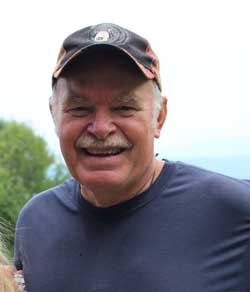
I experience a deep, abiding peace and joy. I want the same for you. Please explore the site and the programs offered here, and if you feel they could help you find or travel your path with heart, I’d be honored to help you.

Leave a Reply